

Can Children Benefit from Anti Blue Light Eyeglass Frames? Discover the Facts!
Mar 30,2026
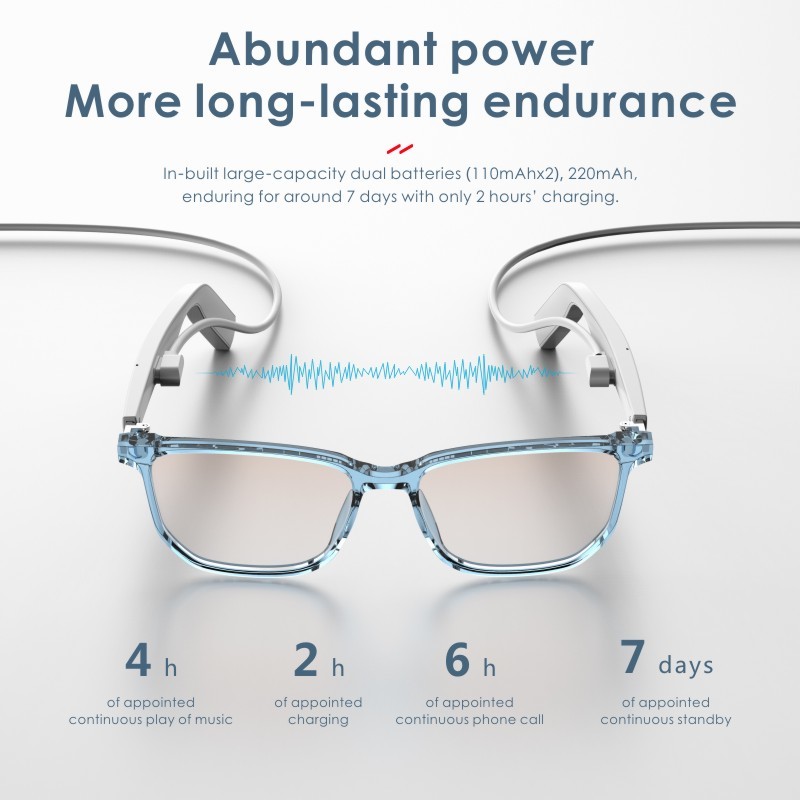
Can Children Benefit from Anti Blue Light Eyeglass Frames?
Introduction to Blue Light and Its Effects on Children's Eyes
In today’s digital age, children are exposed to screens more than ever before. Whether it’s for school assignments, online learning, or recreational activities such as gaming and video streaming, screen time is a significant part of their daily lives. However, along with the convenience of technology comes the exposure to **blue light**, which has sparked concerns among parents and health professionals alike.
Blue light is a high-energy visible light emitted from digital devices like smartphones, tablets, computers, and even LED lighting. While blue light is naturally present in sunlight and is crucial for regulating our sleep and wake cycles, excessive exposure—particularly from screens—can lead to various eye-related issues. With this in mind, many parents are considering whether **anti blue light eyeglass frames** can provide their children with the necessary protection.
What Are Anti Blue Light Eyeglass Frames?
Anti blue light eyeglass frames are specially designed eyewear that includes lenses coated with a protective layer to filter out a portion of blue light emitted by screens. These lenses can come in prescription or non-prescription forms, making them accessible for children regardless of their vision needs.
The primary purpose of these glasses is to reduce glare, improve visual comfort, and minimize potential eye strain caused by prolonged screen time. As children spend hours in front of their devices, investing in anti blue light eyewear may be a prudent choice for many parents.
The Science Behind Blue Light and Eye Health
To understand the benefits of anti blue light eyeglass frames for children, it’s essential to delve into the science behind blue light exposure. Research has indicated that excessive blue light exposure can lead to **digital eye strain**, characterized by symptoms such as:
- Dry eyes
- Blurred vision
- Headaches
- Difficulty focusing
Studies suggest that blue light can also disrupt sleep patterns. Exposure to blue light during the evening hours can interfere with the production of melatonin, the hormone responsible for sleep, leading to difficulty falling asleep and poor sleep quality.
For children, whose eyes are still developing, the potential risks of blue light exposure are even more concerning. Their lenses are clearer than those of adults, allowing more blue light to reach the retina. This raises questions about the long-term implications of blue light exposure on children's eye health.
Benefits of Anti Blue Light Eyeglass Frames for Children
1. Reducing Digital Eye Strain
One of the most significant benefits of anti blue light eyeglass frames is their ability to reduce symptoms associated with digital eye strain. By filtering out harmful blue light, these glasses can help children maintain clearer vision and reduce discomfort while engaging with screens for extended periods.
2. Enhancing Visual Comfort
With the help of anti blue light lenses, children may experience enhanced visual comfort. The reduction of glare and harsh lighting can lead to a more enjoyable screen time experience, allowing them to focus better on tasks without the distraction of discomfort.
3. Promoting Better Sleep Patterns
As mentioned earlier, blue light exposure can disrupt melatonin production, leading to sleep disturbances. By wearing anti blue light eyeglass frames, children can protect their eyes from excessive blue light exposure, especially in the evening. This may result in improved sleep quality, making it easier for them to fall asleep and stay asleep throughout the night.
4. Supporting Eye Health in the Long Run
While research on long-term effects is still ongoing, some studies suggest that reducing blue light exposure could potentially lower the risk of developing age-related macular degeneration (AMD) later in life. By encouraging children to wear protective eyewear, parents may be investing in their children's long-term eye health.
5. Improving Focus and Productivity
For school-age children, staying focused during online classes or homework assignments can be challenging. Anti blue light eyeglass frames may help by reducing distractions caused by eye strain and discomfort. As a result, children may experience enhanced focus and productivity, leading to better academic performance.
Choosing the Right Anti Blue Light Eyeglass Frames for Children
1. Understanding Lens Technology
When selecting anti blue light eyeglass frames for children, it’s essential to understand the different technologies available in lens manufacturing. Look for lenses that explicitly mention blue light filtering capabilities. Some lenses can block up to 90% of harmful blue light.
2. Prescription vs. Non-Prescription
Consider whether your child needs prescription lenses. Anti blue light glasses come in both prescription and non-prescription options. If your child already wears glasses, consult with an eye care professional about adding an anti blue light coating to their current lenses.
3. Frame Style and Fit
Choosing a frame style that suits your child’s preferences and fits comfortably is crucial. Children may be more inclined to wear glasses that they find stylish and comfortable. Involve your child in the selection process to ensure they feel confident in their eyewear.
4. Quality and Durability
Children can be tough on their belongings, including glasses. Look for frames made from durable materials that can withstand daily wear and tear. Additionally, consider lenses that are scratch-resistant for added longevity.
Consulting with Eye Care Professionals
Before making a purchase, it’s advisable to consult with an eye care professional. They can provide personalized recommendations based on your child's specific needs and eye health. Regular eye exams are crucial for monitoring eye development and detecting any potential issues early on.
Addressing Common Concerns about Anti Blue Light Eyeglass Frames
1. Do Anti Blue Light Glasses Really Work?
Research supports the claim that anti blue light glasses can help reduce symptoms of digital eye strain and improve visual comfort. However, the effectiveness may vary depending on the individual and the specific product. It's essential to choose quality frames with proven filtering capabilities.
2. Are There Any Side Effects?
Most children tolerate anti blue light eyeglass frames well. However, some may initially experience a slight change in color perception due to the blue light filtering technology. This effect typically diminishes as the child becomes accustomed to wearing the glasses.
3. How Often Should Children Wear Them?
Encourage children to wear anti blue light glasses during prolonged screen time. This includes time spent on computers, tablets, and smartphones, as well as watching TV. Establishing a routine can help protect their eyes and encourage healthy screen habits.
4. Can They Replace Regular Eye Exams?
Anti blue light eyeglass frames should not be viewed as a substitute for regular eye exams. It’s crucial to ensure that children undergo annual eye checks to monitor their eye health and vision development.
5. Are They Suitable for All Children?
While anti blue light glasses are beneficial for many children, specific situations may warrant caution. If your child has a particular eye condition or sensitivity, consult with an eye care professional to determine the most suitable option.
Conclusion
In summary, anti blue light eyeglass frames can offer significant benefits for children in today’s screen-driven world. With the potential to reduce digital eye strain, enhance visual comfort, promote better sleep, and support long-term eye health, these glasses are a valuable investment in your child's well-being. As technology continues to play a central role in learning and leisure activities, equipping children with the right protective eyewear is essential. Remember to consult with an eye care professional to ensure that you choose the best option for your child's unique needs.
Prev:

Contact Us
Tel:+86-13423887106
WhatsApp:+86-13423887106
Email:wannanping1009@163.com
ADD:Room 501, Building F, No.101 Tongfu Road, Anliang Community, Yuanshan Street, Longgang District, Shenzhen


Our Products
Consult Now
Welcome to leave a message, we will contact you in time!